A Complete Guide To Bunk Mattress Single
Choosing a Bunk Mattress Single Bunk beds can make the most of space and create a fun environment for children. They can also reduce costs by reducing the need for furniture in healthcare facilities. The size of the mattress will affect the frame you choose. Triple, twin loft, L shaped, or trundle frames for beds can be used in larger bedrooms. Twin bunk beds are great for kids and smaller adults who prefer sleeping alone. Full XL mattresses are great for adults who need extra space to stretch out throughout the night. Comfort Bunk beds are available in various sizes to suit the needs of each sleeper. They are also available in a variety of types, including innerspring, hybrid, and foam. Each type of bunk mattress single has its own pros and cons. The kind of bunk bed you pick will depend on the frame's layout and the number of guests your bunk bed is designed to sleep. Most bunk beds accommodate twin-over-twin mattresses. However, some feature a queen or king frame for adults who are larger and children. Bunk beds are a great option for bedrooms with small spaces as they are able to reduce space while still offering plenty of sleeping space. When selecting a mattress for a bunk single, you should be mindful of the comfort of the sleeper and their preferred position for sleeping and their budget. If you're looking for a bunk mattress for a young child, pick a soft or medium-firm mattress that can provide ample pressure relief and back support. For adults the best bunk mattress is one that has memory foam or latex could give you the best sleep. When selecting a single bunk mattress safety should be considered along with the comfort. It is important to choose a mattress which fits your bunk frame. The top bunk shouldn't be more than 6-8 inches from the guardrail. You should also select the bunk bed with stairs instead of an elevated ladder, which is safer for young children and adults. The most commonly used type of bunk bed mattress is the twin, which is 38 inches wide by 75 inches. It is ideal for teenagers and children however, it is suitable for adults who are shorter as well. Twin XL bunk bed mattresses that are 5 inches more than traditional full mattresses, are a good choice for adults and older teens. Memory foam bunk mattresses single are a great option for those who like to sleep on their stomachs, as they can ease pressure on their hips and shoulders. It can also improve posture, and lessen the likelihood of back alignment issues. If you suffer from back problems, a bunk bed that has foam mattresses made from breathable materials like eco-friendly latex or GOTS certified organic cotton is a great option. This will keep you cool and decrease the risk that you overheat. Durability Metal bunk beds can be durable and long-lasting if they are constructed from high-quality materials. They can also add stylish and practical appearance to rooms. They are perfect for guest rooms, as well as other short-term sleeping accommodations, such a shelters, residential homes and youth camps. Most bunk beds have an inbuilt staircase that can be attached either to the side or front of the frame. This is helpful for those who wish to climb up over the mattress or even under it without using their fingers. Some models come with safety bars that prevent children from falling off the top bunk. When selecting a single bunk mattress you need to consider several aspects, such as the size, weight, thickness and firmness. It is also important to consider the body type, age and sleeping position of the person who will use the bunk. The mattress should also be able accommodate any other bedding that you intend to put on your bunk. Bunk beds come in a range of sizes, ranging from twin to full. The majority of standard bunk beds are made to fit two twin mattresses stacked but there are a few that will also work with full and twin XL size mattresses. The mattresses for XL bunk beds are 5 inches larger than standard mattresses, making them ideal for younger children who need more space to stretch out at night. Memory foam mattresses make an excellent option for bunk beds as they are comfortable and contouring. They're especially recommended for smaller frame sleepers and those who have problems with joint or back pain. Sleepers who are prone to night sweats could benefit from the cooling properties of the memory foam mattress as well. Another great alternative for bunk beds is latex mattresses. They're hypoallergenic, and made of environmentally friendly materials. They're also breathable, and offer great pressure relief for sleepers. You can choose from a variety of firmnesses available for latex bunk beds. 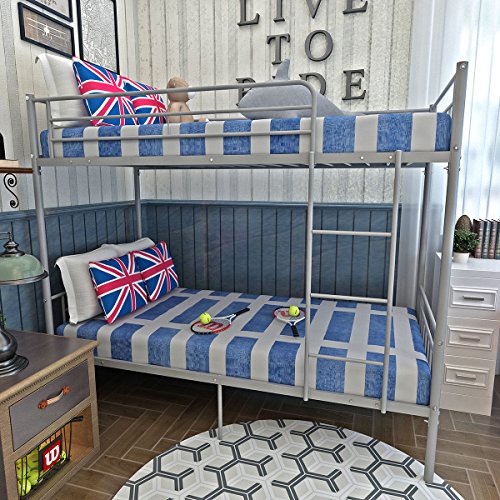 The Nolah Natural is a comfortable and eco-friendly bunk mattress. It has seven layers of fabric and foam beginning with a comfortable and airy cotton cover. The second layer is a wool one that acts as a barrier to fire and allows air to circulate through the mattress. The third layer is a cushioning latex that relieves pressure. The fourth layer is a transitional foam that helps support the layers of comfort above and helps to reduce motion transfer. The final layer is composed of a coil structure that provides support and a resilient sleeping surface. Weight There are a variety of mattress sizes you need to think about when buying bunk beds. The right size for your bunk bed will guarantee security and comfort. A twin mattress is ideal for children and shorter adult single sleepers. Its dimensions are 38 by 75 inches, and is ideal for rooms with 7 by 10 feet. Full bunk mattresses are great for adults and teenagers who are taller. They are 54 inches by 80 inches and are longer than standard full mattresses. They're also more suitable for rooms that measure 9 feet 6 inches by 10 feet. Choose a mattress foundation that is designed specifically for bunk beds to stop sliding. Avoid box springs that are too thick because they're not suited for bunk beds. Instead, choose bunkie boards or plywood sheets that are designed to support bunk mattress. If you're in the market for a bunk bed mattress for the top bunk, be sure it's light. A mattress that is too heavy can cause a sleeper to fall from the bunk or hurt themselves. A heavier mattress could be taller than the bunk's guard rails. This can pose an injury risk. It is recommended to choose a 4 to 6-inch thick mattress for the top bunk. There are a variety of bunk bed mattresses that include hybrids, innerspring, latex and memory foam. Each has its own distinctive characteristics. For example, a foam mattress can offer additional cushioning for pressure points, while the hybrid mattress is effective at controlling temperature. The bunk mattresses for adults should be a little thin to fit under the railings of the bunks at the bottom. A mattress that is thinner is easier to get into and out of, and makes it easier to change sheets. A thin mattress is safer for sleepers as it won't interfere with the safety bars on the guardrails. Bunk beds are great to maximize space in small bedrooms, but they must be constructed correctly to ensure safety and longevity. The slats which make up the mattress should be tested to ensure that they are able to withstand the weight of two people. The slats need to be sturdy and evenly distributed, so there are no holes or breaks. This test is known as the ASTM D3796 test. bunkbedsstore of bunk beds require mattresses that are sturdy enough to give support and stop sagging. The mattress should also be able to handle the weight of both the top and bottom bunks. Mattresses that aren't strong enough are not safe and may cause injury or collapse to the sleepers. Bunk beds are typically designed not to need box springs, as they lie directly on the bunky boards of the lower and upper bunks. There are many options to choose from, whether you prefer an innerspring mattress or a hybrid foam mattress. When you are choosing a single bunk mattress be sure to consider the sleeping habits of people who will be using it. People who are heavier tend to prefer firmer mattresses to promote proper spinal alignment, while those who sleep less often tend to prefer soft mattresses that ease pressure points. You should also consider the sleeping styles of your children or other family members to ensure a restful night's rest. Choose a mattress made from durable materials to ensure it lasts a long time. Many mattress manufacturers provide warranties that cover manufacturing issues and sagging. This is a great benefit for those who are concerned about durability. If you're not sure of the ideal type of bunk mattress that will meet your needs, it may be beneficial to buy an item that comes with a trial period. This allows you to try the mattress out and experience how it feels for a couple of weeks before making a final decision. These trials usually last 90 to 100 days but some online companies offer trial periods that last up to a year. The majority of bunk beds have guard rails to stop children and adults from falling off the upper and lower bunks at night. To avoid injury, ensure that there is enough space between the top bunk bed and the guardrail. Also, you must always adhere to the safety recommendations of the manufacturer of your bunk bed.